

 By Alex Bennett
Published
By Alex Bennett
Published
Yes or No Career Without Risky Guesswork
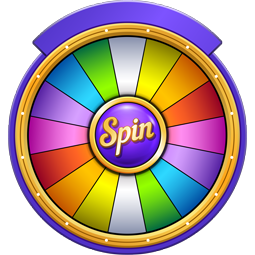
Yes or No Career Wheel is a free online wheel spinner with 46 options, including Yes!, New Office and Tax Prep. Click or tap the wheel and it stops on one random result.
The job alert pings while your meeting calendar sits muted, and the next career move suddenly feels bigger than one question. A Yes or No Career spin gives you a short prompt when the pressure is already taking up too much room.
Use it as a pause between instinct and action. Not as a final verdict. The point is to turn the noise around resigning, staying, retraining, or asking for help into one professional signal you can examine calmly.
That matters when your boss’s tone, your family’s advice, and your own tired brain are all pulling in different directions. A result like Stay Put or Update CV can expose what you were already leaning toward, while a result like Wait 1 Month can keep a stressful afternoon from becoming a rushed life change. Let the spin interrupt the spiral.
The harder part is not the answer itself. It is checking whether the answer still makes sense after salary pressure, workload, commute, burnout, and opportunity cost enter the room. That is where the wheel works best it gives the conflict a shape, then you test the shape against reality.
Reading Financial Risk and Workload Before You Act
A career answer is only useful if it survives basic risk checks. If the wheel lands on Seek New Job, the next question is not excitement; it is whether your savings, workload, and current market signals support movement now.
This is where a focused tool differs from a broad resignation impulse. A quit job decision prompt can help when the issue is specifically leaving, but this wheel keeps the frame wider: maybe you need a CV update, a manager conversation or a delay instead of a clean exit.
Pressure distorts scale. A packed week can make a normal role feel impossible, while one promising LinkedIn message can make a risky jump feel safe. Slow the comparison down. The spin gives you one direction, then your numbers and workload decide how seriously to treat it.
Ask the Wheel for Stay, Resign, Train, or Wait Prompts
Good prompts separate career choices that often get tangled together. Stay Put is not the same as doing nothing. Get Training is not the same as starting over. Ask Boss is not weakness; it can be the smallest professional test before a larger move.
For cleaner yes or no framing, a broader yes or no decision format can work when the question is simple. Career choices usually carry more baggage, so the useful answer often sits between a direct yes and a direct no.
A result like Plan First has a different weight on Monday morning than it does after a tense call. Treat the result as a prompt for evidence. What would confirm it? What would make it unsafe? That small check keeps the wheel practical.
Turn the Answer Into One Professional Move This Week
A Yes or No Career result becomes useful only when it turns into a manageable action. If the answer points toward Fix Resume, the move might be one revised section, not a full job search. If it points toward Ask Mentor, the move might be one message before Friday.
That is also why career spins should stay narrower than entertainment spins. A lighter yes or no spin is fine for casual choices, but a professional decision needs a consequence check after the result appears.
Keep the action small enough to finish. A wheel outcome like Budget Plan can become thirty minutes with your expenses. A result like Be Patient can become a written review date, so waiting does not turn into avoidance.
Once you have tested one result, other formats in the decision wheel collection can support adjacent choices without turning your career plan into a guessing habit. Use the format that matches the pressure level.
Boss Conversations, CV Updates, and Family Input After Uncertainty
The social side can be the hardest part. You may know the workload is heavy, but still worry that speaking up will sound ungrateful. You may want to leave, while family members focus on stability because they see the risk more clearly than the frustration.
A Yes or No Career spin gives you a neutral object to react to. If it lands on Ask Boss and you feel immediate resistance, that reaction says something. If it lands on Stay 1 Year and you feel trapped, that also says something.
Do not let the first emotion run the meeting. Write the next conversation in plain terms: workload, role scope, development, timing and money. The wheel starts the professional move; the facts make it responsible.
Build a Career Decision Check That Does Not Ignore Real Life
The strongest use of this wheel is not dramatic certainty. It is a short career decision system: spin, name the pressure, test the result and reduce the next move to something safe enough to do.
If the result suggests New Career, compare it with current skills, training time, and income protection before you treat it as a signal. If it suggests Hold On!, ask whether patience is protecting stability or simply delaying a necessary change. For a broader randomizing method, the random wheel can show how different choice formats work, but career use needs a stronger reality filter.
A clean answer should lower pressure, not erase judgment. Use the result when you're tired of deciding, then check the practical details before you act.
Career questions rarely stay inside one page. After one spin, you may want to compare career prompts with other work, life, or daily choice formats across an interactive decision wheel setup, especially when the real issue is not quitting but finding a safer next step.
Keep the wheel close to the moment that created the pressure. A result taken right after a bad meeting may need a second look later in the week. A result taken after reviewing your budget may deserve more trust.
This week, choose one safer career move
Should I use this wheel to decide whether to quit my job?
The wheel provides random suggestions to prompt your thinking rather than binding advice. It features actionable outcomes such as Review Before Quitting, Update CV, and Don't Quit to help you assess different paths. If a result like Consider Exit feels uncomfortable, that reaction clarifies your true preference before making major employment changes.
What career options are included besides yes and no?
The wheel includes practical career steps such as Ask Boss, Seek New Job, Stay 1 Year, and Budget Plan alongside simple yes and no choices. These intermediate options encourage concrete preparation like building an Exit Strategy or pursuing Remote Work before taking a leap. You can edit, add, or remove entries in the list beside the wheel anytime.
Can I save this career wheel to use again later?
You can save this wheel directly in your web browser without creating an account. If you want to access your customized list across phones, tablets, or computers, signing in syncs your saved wheels to other devices. Your edits stay stored in the browser and are never published publicly on the site.
Do all entries have the same chance of winning?
Every entry on the wheel has an equal chance of being selected on every spin. All slices are identical in size, and the winning outcome is determined by the browser cryptographic random generator. If you do not want an outcome like Take Leave or Stay Put to repeat, you can enable the option to remove winners.
More Decision wheels you might like
More wheels from the same category. Pick one and spin it in seconds.